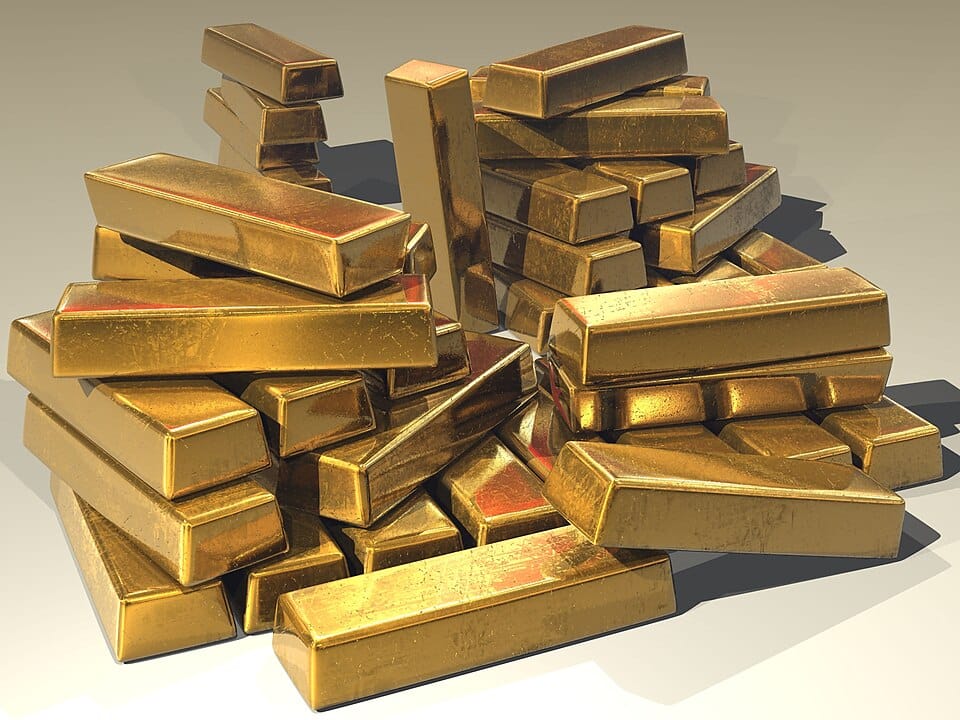
No one seller is always the cheapest place to buy gold, so compare before you buy. Every gold coin or bar costs the spot price plus a premium. The premium covers minting, the dealer’s margin, shipping and payment fees. The best purchase is the one that gets you the metal you want at the lowest all-in premium from a seller you can trust.
This guide is general information, not investment advice. It shows where you can buy physical gold, what each option really costs, and how to avoid the expensive mistakes regulators warn about. One ounce of gold is worth … at today’s spot price.
Ways to buy gold at a glance
| Where | What you get | Typical cost | Watch out for |
|---|---|---|---|
| Local coin shop | Coins and bars you can inspect, same day | Varies by shop; ask for the premium over spot | Prices aren’t always posted; compare two shops |
| Online bullion dealer | Widest selection, posted live prices | Low premiums on 1 oz pieces; about 4% more by card | Shipping, insurance and minimums for free shipping |
| U.S. Mint | Proof and uncirculated collector coins | Well above bullion prices | Bullion coins aren’t sold to the public directly |
| Costco | Select 1 oz bars and coins (members) | Competitive when in stock | Per-member limits; sells out |
| Pawn shop | Whatever comes in | Depends on the shop | You rely on their word for authenticity |
| eBay and marketplaces | Wide range, sometimes deals | Fees built into the price | Counterfeits are the main risk |
| Gold ETF (GLD, IAU, GLDM) | Shares backed by gold, not metal in hand | 0.10% to 0.40% a year | You can’t take delivery as an individual |
What does gold cost over spot?
Here are one online dealer’s posted prices for single pieces on November 13, 2026, with gold spot near $3,890 to $3,910. They show the pattern at one dealer. Prices change all day and differ from dealer to dealer.
| Product | Price, check or wire | Price, card | Premium over spot (check/wire) |
|---|---|---|---|
| Perth Mint 1 oz gold bar | $4,005.86 | $4,166.09 | about 2.5% to 3.0% |
| 1 oz Canadian Gold Maple Leaf | $3,996.25 | $4,156.10 | about 2.2% to 2.8% |
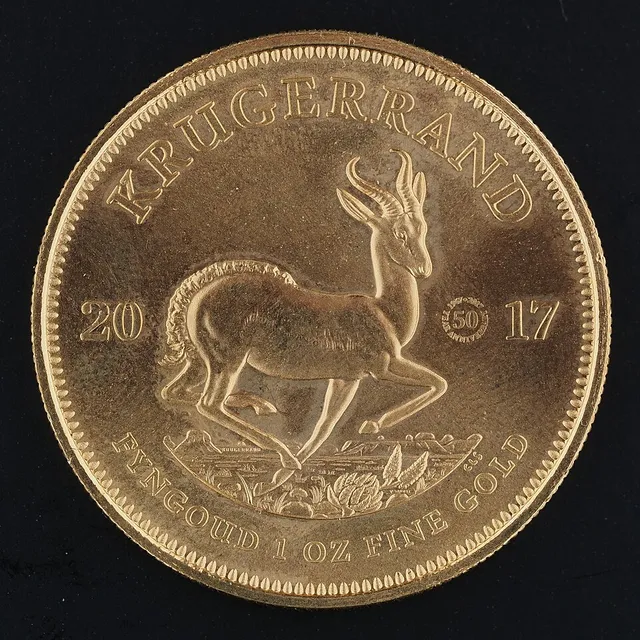
| 1 oz South African Krugerrand | $4,062.93 | $4,225.45 | about 3.9% to 4.5% |
| 1 oz American Gold Eagle | $4,069.77 | $4,232.56 | about 4.1% to 4.7% |
| 1 oz American Gold Buffalo | $4,139.29 | $4,304.86 | about 5.9% to 6.5% |
| 1/10 oz American Gold Eagle | $453.22 | $471.35 | about 16% to 16.6% |
Source: Hero Bullion product pages, checked the morning of November 13, 2026. The same dealer’s buyback price for a 1 oz Gold Eagle was $3,842.95, so a round trip on that coin cost about 6% even when paying by wire.
Size, product and payment method move the premium more than where you buy.
Smaller coins and bars carry much higher percentage premiums. A 1/10 oz Eagle cost four times the premium of the 1 oz coin.
Plain bars and widely traded foreign coins usually cost less over spot than U.S. Eagles and Buffalos. U.S. coins are easier to sell in the U.S. and are IRA-eligible, which is part of what you’re paying for.
Paying by check or wire saves about 4%. APMEX’s posted prices already include a 4% discount for check, eCheck or wire, and card or PayPal pay the full list price. JM Bullion gives the same 4% discount for checks, money orders and wires.
Buying gold at a local coin shop
A coin shop is the only place you can hold a coin before you pay, carry it out the door, and skip shipping and insurance. You can also sell back to the same counter later. Many shops will price-match or come close on common bullion if you show them an online quote.
The downside is price transparency. Few shops post their selling prices, and premiums vary with the shop’s overhead and stock. Before you go, check spot, decide exactly what you want (for example “a 1 oz American Gold Eagle, any year”), and ask for the price as a premium over spot. A good dealer will tell you. Our guide to finding a reputable coin dealer covers the checks worth making, and you can find coin shops near you in our directory.
Buying gold online
National online dealers carry far more inventory than any one shop and post live prices tied to spot, which makes them easy to compare. Prices lock when you place the order, and coins ship insured, usually within a few business days of payment clearing.
Costs to watch: shipping and insurance (often free above a minimum order), the card surcharge, and sales tax if your state charges it. Before you buy, look up the dealer’s buyback price for the same product. The difference between what they sell for and what they’d pay you back is your real cost of owning the coin.
Buying on eBay or other marketplaces is different, because you’re trusting an individual seller. CBS News’ advice from industry experts is to buy only from highly rated sellers with a verifiable business, and to be wary of prices below spot.
The U.S. Mint and Costco
The U.S. Mint doesn’t sell bullion gold to the public. It sells bullion American Gold Eagles and Buffalos only to a small group of Authorized Purchasers, large wholesalers who buy in bulk at a set markup over the gold price and resell to dealers. The Mint’s online store sells proof and uncirculated collector versions, which cost considerably more than bullion coins of the same weight.
Costco sells certain 1 oz gold bars and coins to members on Costco.com when it has stock. Prices have been competitive, but purchase limits per membership are printed on each listing and have tightened over time, and items often sell out within hours.
Gold coins vs. gold bars
| 1 oz bullion coins | 1 oz bars | |
|---|---|---|
| Premium over spot | Usually higher | Usually lowest |
| Recognition when selling | Excellent (Eagle, Maple, Krugerrand, Buffalo) | Good for major refiners (PAMP, Perth, Valcambi) |
| Legal tender face value | Yes | No |
| IRA-eligible | U.S. Eagles and Buffalos, Maples; not Krugerrands | Bars of qualifying fineness |
| Counterfeit risk | Low from reputable sellers; well documented | Assay cards and serial numbers help |
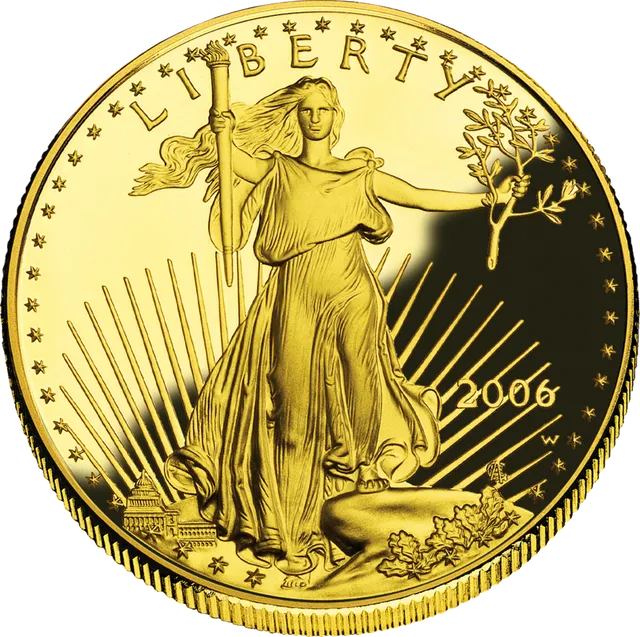
Gold Eagles and Krugerrands are 22-karat (91.67% gold) but contain a full troy ounce of gold, with copper and silver added for durability. Buffalos and Maple Leafs are 24-karat. All four hold one ounce of pure gold.
Taxes on buying and selling gold
Most states exempt investment-grade bullion from sales tax, but not all. Washington ended its exemption on January 1, 2026, and Maryland added a 6% bullion tax in 2025, while Florida exempted bullion in 2025 and Massachusetts exempts purchases over $1,000. Tax depends on the delivery address, so an online order is taxed by your state’s rules.
When you sell, the IRS treats gold coins and bars as collectibles. Long-term gains are taxed at a maximum of 28%, higher than the top rate on stocks. Gold held a year or less is taxed as ordinary income. Gold ETFs structured as trusts are taxed the same way.
Dealers file Form 1099-B only for certain sales that match the size of regulated futures contracts. In the IRS’s own example, selling a single gold coin isn’t reportable, because the approved gold coin contracts call for at least 25 coins. Whether or not it’s reported, a gain is still taxable.
Avoid the costly mistakes
The CFTC and FINRA published a joint list of questions to ask before buying physical metals. Several of them, in brief:
- Don’t buy from cold calls, TV ads or “free” seminars. The CFTC says it has charged firms over more than $500 million in fraudulent precious-metals sales.
- Be wary of “rare,” “semi-numismatic” or “collectible” bullion coins pushed as investments. The CFTC describes cases where markups on such coins wiped out a third to half of buyers’ retirement savings. A plain 1 oz bullion coin is easier to price and resell.
- Get the premium, fees and buyback price in writing before paying.
- Plan storage before you buy. A bank safe deposit box isn’t a deposit account, so the FDIC doesn’t insure what’s in it. Check whether your homeowner’s or renter’s policy covers bullion. Many have low limits unless you add a rider.
- Metals aren’t covered by SIPC the way securities at a brokerage are.
Counterfeits are rare from established dealers but common enough in private sales. Weigh and measure coins against official specifications. A magnet test only rules out iron, and tungsten, the favorite core for fake bars, isn’t magnetic. For a large purchase from a private seller, have a coin shop check it first.
A simple way to buy
- Check spot and decide on the product and size.
- Get two or three quotes for that exact item, from one or two online dealers and a local coin shop.
- Compare the all-in price, counting the premium, payment method, shipping, insurance and sales tax.
- Look up the buyback price for the same item so you know your real round-trip cost.
- Pay the cheapest way you’re comfortable with, keep the receipt for taxes, and store the gold securely.
Want a local price to compare? Find a coin shop near you, or check what dealers pay when you sell in our guide to coin dealer buy prices.
Common questions
What is the cheapest way to buy physical gold?
Usually a 1 oz bar or a common 1 oz bullion coin, bought from a dealer with low premiums and paid by check, wire or ACH. On November 13, 2026, one online dealer's 1 oz bars and Maple Leafs ran about 2% to 3% over spot by check, compared with about 16% for a 1/10 oz Gold Eagle.
Is it better to buy gold from a coin shop or online?
It depends on the shop and the product. Online dealers post prices you can compare in seconds and carry more stock; a coin shop lets you see the coin, pay no shipping and walk out with it. Get a local quote and compare it with an online price for the same coin, including shipping and payment fees.
How much over spot should I pay for gold?
For 1 oz bullion coins and bars in November 2026, roughly 2% to 7% over spot when paying by check or wire. Fractional coins, proofs and graded coins cost much more. A dealer charging well above that for common bullion is worth walking away from.
Does the U.S. Mint sell gold coins directly?
Not bullion. The Mint sells bullion Gold Eagles and Buffalos only to a small group of Authorized Purchasers, who resell them to dealers and the public. The Mint's own store sells proof and uncirculated collector versions, which cost more.
Can you buy gold at Costco?
Yes, members can buy certain 1 oz gold bars and coins on Costco.com when they're in stock. Purchase limits are printed on each listing and have tightened over time, and items sell out quickly.
Do you pay tax on gold?
Possibly twice. Some states charge sales tax on bullion purchases, and when you sell at a profit, the IRS taxes long-term gains on gold as a collectible at up to 28%. Gold held a year or less is taxed as ordinary income.
Why do 1/10 oz gold coins cost more per ounce?
Making and handling a small coin costs nearly as much as a large one, so the premium is a much larger share of the price. On November 13, 2026, one dealer's 1/10 oz Gold Eagle cost about 16% over spot versus about 4% for the 1 oz coin.
Is a gold IRA a good idea?
That depends on your situation, and it's a question for a licensed adviser. Know the costs: setup, custodian and storage fees, plus dealer markups. The CFTC warns that some gold IRA sellers charge markups that have cost retirees a third to half of their savings.
Where to buy
Online dealers for gold and silver
When a local shop doesn't have what you want, these established online dealers ship insured nationwide.
APMEX
One of the largest U.S. online bullion dealers, trading for 20+ years with 1M+ customers.
- Gold & silver coins, bars and rounds
- Live prices tied to spot
- Insured shipping to your door
Bullion Exchanges
Online precious-metals dealer with a deep catalog of bullion coins and bars.
- Gold, silver & platinum bullion
- Government-minted coins and private bars
- Ships nationwide
Keep going
Sources
- FINRA and CFTC: 10 Things to Ask Before Buying Physical Gold, Silver or Other Metals
- CFTC: Beware of gold and silver schemes designed to drain your retirement savings
- CFTC: Precious metals fraud
- FINRA: Golden rules for investors, 8 things to consider before buying actual gold
- U.S. Mint: Bullion coins (sold through Authorized Purchasers)
- U.S. Mint: Becoming an authorized bullion purchaser
- Hero Bullion: 1 oz American Gold Eagle (buy and sell prices, checked November 13, 2026)
- Hero Bullion: 2026 1 oz American Gold Buffalo
- Hero Bullion: 2026 1 oz Canadian Gold Maple Leaf
- Hero Bullion: 2026 1 oz South African Krugerrand
- Hero Bullion: Perth Mint 1 oz gold bar
- Hero Bullion: 2026 1/10 oz American Gold Eagle
- APMEX: How to pay for gold and silver purchases (check and wire discount)
- JM Bullion: Payment methods
- IRS Topic 409: Capital gains and losses (28% rate on collectibles)
- IRS: Instructions for Form 1099-B (precious metals reporting)
- IRS: Investments in collectibles in individually directed qualified plan accounts
- USAGold: Sales tax on gold and silver, a state-by-state guide (2026)
- Tax Foundation: State sales tax on gold bullion
- FDIC: Five things to know about safe deposit boxes, home safes and your valuables
- ETF.com: GLD vs GLDM vs IAU
- CBS News: Expert tips for buying gold bars and coins online
- Hero Bullion: How to spot a fake American Gold Eagle